
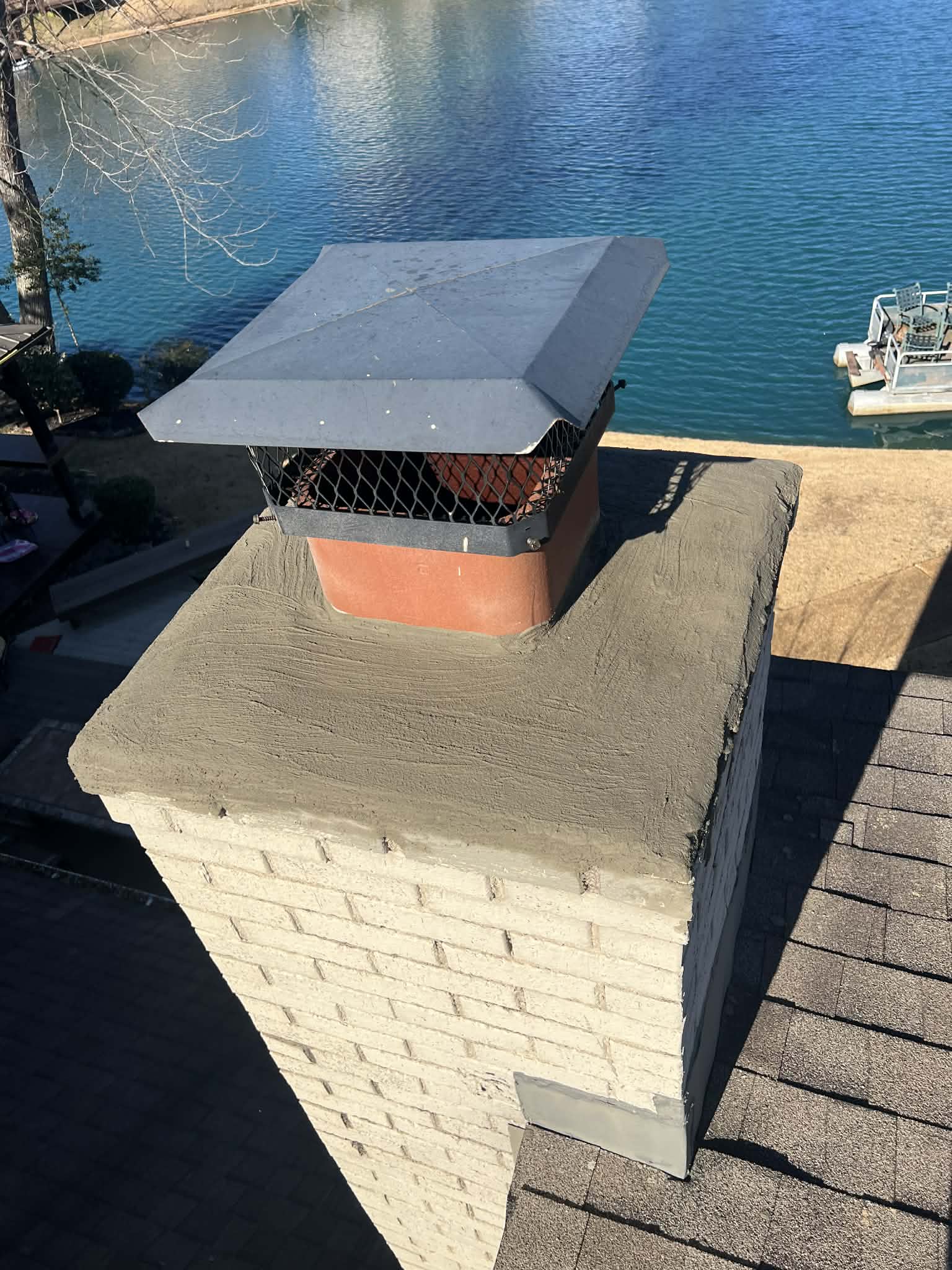
If you own a Memphis home with a fireplace, you’ve probably wondered whether the annual chimney inspection everyone talks about is actually necessary — or a scare tactic to sell you a service. Here’s the straight answer for Tennessee homeowners in 2026.
The Short Answer: Every Year, According to CSIA
The Chimney Safety Institute of America (CSIA) recommends a professional chimney inspection every year, whether you burn wood, gas, or pellets. That recommendation isn’t marketing fluff — it’s based on national fire data. The U.S. Fire Administration reports over 22,000 residential chimney fires per year, and nearly all of them trace back to skipped inspections.
In Tennessee specifically, the annual timeline is even more important because our climate is uniquely hard on masonry chimneys. More on that below.
What “Chimney Inspection” Actually Means
Not all inspections are the same. There are three CSIA-defined levels, and the right one for you depends on your situation:
- Level 1 inspection — For homeowners who use their chimney regularly with no changes to the system. Visual inspection of readily accessible portions of the flue, chimney, and connections. This is what’s included in your annual sweep. Takes 30-60 minutes.
- Level 2 inspection — Required when you buy or sell a home, after a chimney fire, after a major weather event (severe storm, earthquake, hail), or after any change to the system (new stove, new liner, etc.). Uses cameras to inspect inside the flue. Takes 1-2 hours.
- Level 3 inspection — When damage is suspected but hidden. Involves removing parts of the chimney or walls to access concealed areas. Rarely needed, but critical when it is.
For most Memphis homeowners in a stable living situation, an annual Level 1 inspection is what you need. Level 2 comes up if you’re moving in, buying, or after unusual events.
Why Annual Inspection Matters in Tennessee Specifically
National guidelines say “annual” for a reason, but Tennessee’s climate adds even more pressure to stick to that schedule. Three factors:
- Freeze-thaw cycles. Winter temperatures in the Mid-South bounce above and below freezing multiple times a week. Water seeps into micro-cracks in the crown and mortar joints, freezes, expands, and pries the masonry apart a little more every winter. Annual inspection catches those cracks before water damage compounds.
- High humidity year-round. Memphis humidity keeps creosote damp, accelerates corrosion on metal dampers and liners, and creates conditions where mold can grow inside the flue during off-season months.
- Heavy spring and summer storms. Wind-driven rain and hail damage chimney caps, dislodge storm collars, and drive moisture down flues faster than in drier climates. A single big storm can create issues an inspection would catch immediately.
The takeaway: a chimney in Memphis needs closer attention than one in Phoenix or Denver. An annual inspection catches small problems before another winter turns them into big repairs.
What If You Have a Gas Fireplace Instead of Wood?
Yes, you still need an annual inspection. This is the single most common question we get from Memphis homeowners.
Gas logs don’t produce creosote (the flammable buildup you get from burning wood), which makes some people assume gas fireplaces are maintenance-free. They’re not. Gas flues need annual inspection because:
- Bird and animal nests block gas flues just as easily as wood flues. Uncapped chimneys attract wildlife year-round.
- Blocked gas flues vent carbon monoxide back into the house. That’s more dangerous than a fire risk — CO is odorless and puts people to sleep.
- Chimney caps and storm collars wear out on gas systems the same as wood systems. Once they fail, moisture starts damaging the flue.
- Gas burners can develop soot or debris if the flame color isn’t adjusted correctly, which reduces efficiency and creates warning signs of bigger problems.
The good news: gas fireplace inspections are usually simpler and cheaper than a full wood-burning sweep. Actual brush cleaning may only be needed every few years unless there’s visible soot buildup.
Inspection Frequency by Fireplace Type
Not every setup is on the same schedule. Here’s how it breaks down:
- Wood-burning fireplace, heavy use (3+ times per week): annual inspection, cleaning any time creosote reaches 1/8 inch (often twice per season for heavy burners).
- Wood-burning fireplace, occasional use (1-2 times per week): annual inspection, cleaning yearly.
- Gas logs or gas insert: annual inspection, cleaning every 2-3 years unless visible soot.
- Pellet stove: annual inspection, cleaning yearly (pellets produce less creosote but more fly ash, which coats the flue differently).
- Wood stove insert with stainless liner: annual inspection, cleaning yearly. The connector pipe between the stove and liner is a creosote hot-spot.
- Prefabricated (metal) fireplace: annual inspection following the manufacturer’s specific checklist. Metal liners can warp or corrode in ways masonry chimneys don’t.
When to Schedule Your Annual Inspection
August through October is the smart window for Memphis homeowners. Here’s why:
- You beat the November rush. Once the first cold snap hits, every chimney company in Memphis books out 3-6 weeks. Booking early guarantees availability.
- Time to fix any issues before burning season. If the inspection turns up a cracked crown or damaged liner, you have weeks to fix it before you need the fireplace.
- Bird nests are gone. Spring and summer nesters have moved on, so we’re not clearing fresh nests.
- Better pricing. Off-season scheduling typically runs at standard rates. November-December brings rush and weekend fees at some companies.
The one exception: if you buy a home mid-winter, get a Level 2 inspection immediately regardless of season. Never assume a previous owner kept up with maintenance.
Cost: Inspection Alone vs. Inspection + Sweep
You have two options with Healthy Home Pros:
- Inspection only — Level 1 visual inspection with a written report. Runs $99-$149 in the Memphis area. Best if your chimney was swept in the past 6-12 months and you just need to confirm it’s still safe.
- Inspection + sweep bundle — Full annual sweep with the inspection included. $199-$220 for a standard single-flue Memphis home. This is what most homeowners actually need.
If you’re not sure which you need, call us. If your chimney was swept last year and you burn casually, an inspection-only may be enough. If it’s been over a year or you’re not sure, the bundle is worth every dollar.
What Happens If You Skip Years?
Skipping annual inspections doesn’t cause damage on day one — but it lets small issues compound into expensive problems. The most common consequences we see in Memphis homes (with typical Memphis-market repair ranges — actual quotes depend on the extent of damage):
- Cracked crown that lets water into the masonry — starts around $200-$800 to repair when caught early. Can become a $2,000-$5,000 masonry rebuild if ignored for years.
- Damaged or missing chimney cap — typically $150-$400 to install. Without one, birds and squirrels nest in your flue and rain damages the smoke chamber.
- Undetected creosote buildup — small chimney fire risk becomes major fire risk. Even a “small” chimney fire usually destroys the flue liner (roughly $3,000-$8,000 to replace).
- Deteriorated flue liner from moisture and creosote — full replacement in the $3,000-$8,000 range. Insurance may not cover it if you can’t show maintenance records.
Even for insurance purposes, keeping annual inspection records matters. Adjusters routinely ask when the chimney was last serviced after a fire claim. A folder of yearly reports strengthens your position; “I can’t remember” weakens it.
Frequently Asked Questions
Can I inspect my own chimney to save money?
You can do a visual check from the ground and firebox that catches obvious issues (missing cap, visible cracks, smoke stains outside the chimney). But a real Level 1 inspection includes looking down the flue with a professional light and inspecting the smoke chamber — parts a homeowner can’t safely reach. DIY is fine as a mid-year sanity check between annual professional inspections, not a replacement.
How long does a chimney inspection take?
A standalone Level 1 inspection in a Memphis home takes 30-60 minutes. If you bundle it with a sweep, the whole visit is 1-2 hours. Level 2 inspections (using cameras) run 1-2 hours on their own.
What if my chimney passes inspection every year? Do I still need it swept?
An inspection that passes just means there are no urgent issues. It doesn’t remove creosote or debris. If you actively burn wood, you still need periodic sweeping — usually annually, sometimes more often for heavy burners. Gas fireplace users can often go 2-3 years between actual cleanings if inspections keep passing.
My chimney hasn’t been inspected in years. Where do I start?
Book a Level 1 inspection + sweep bundle. We’ll assess where you actually stand, sweep out any accumulated creosote, and give you a written report. If the report turns up any repair needs (crown, cap, liner), we’ll show you photos of what we found. From there you’re back on the annual schedule going forward.
Does homeowners insurance require annual inspections?
Most Memphis-area insurance policies don’t require them as a condition of coverage, but many policies exclude fire damage caused by “lack of maintenance” or negligence. That’s where inspection records matter — they’re your proof that you kept the chimney safe. Ask your insurance agent for specifics on your policy.
Ready to Book Your Annual Inspection?
Healthy Home Pros has been inspecting Memphis-area chimneys since 2013. Level 1 inspection or full inspection + sweep bundle — we’ll help you figure out which you need based on your setup and how long it’s been. Locally owned, licensed, insured, and 200+ five-star reviews.
Call (901) 687-7046 or get in touch to lock in your fall appointment before the November rush.